Do Hair Extensions Damage Your Hair? The Honest Truth
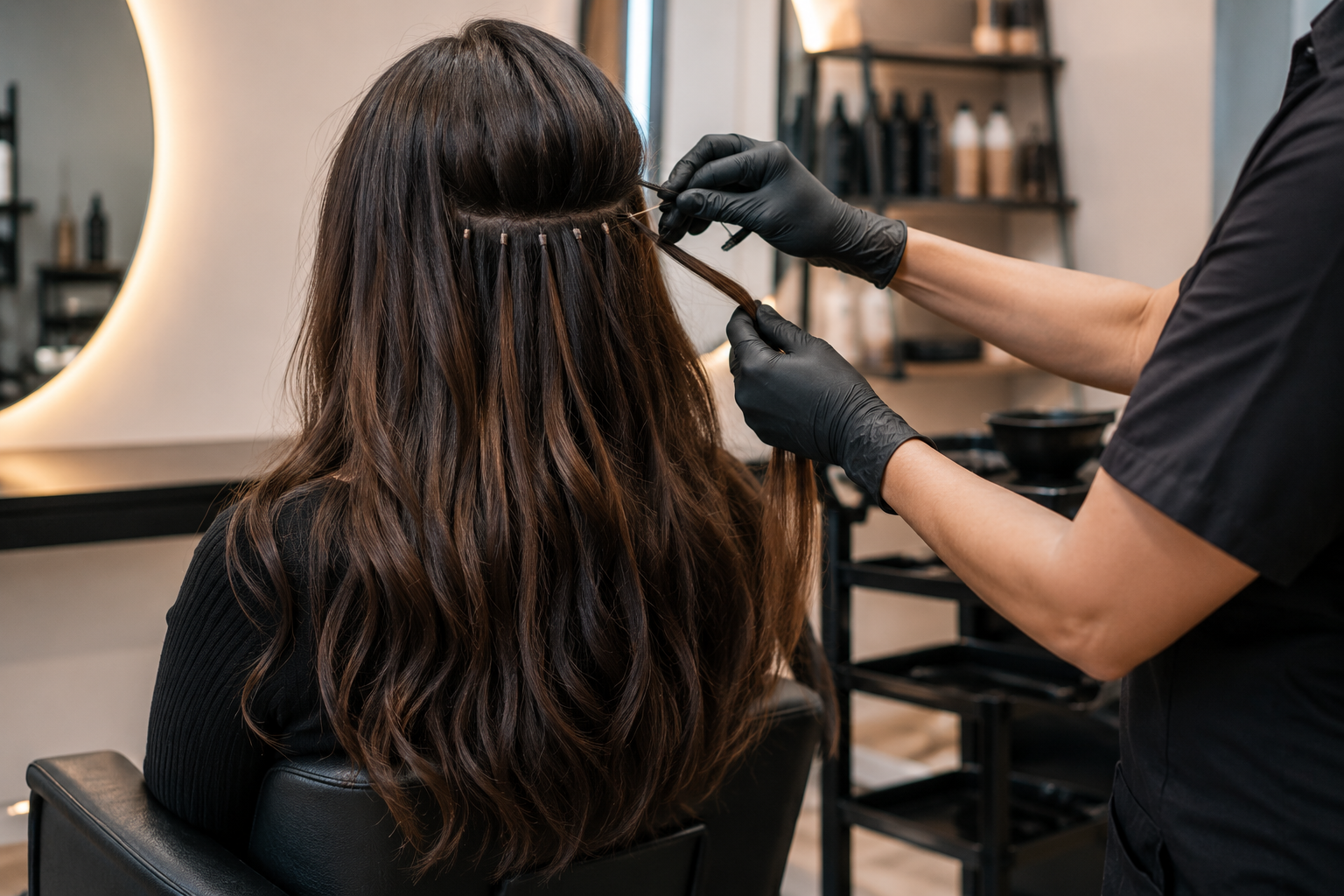
Healthy natural hair after professional hair extension fitting at Hair Nova Angel

It is the single most common question our stylists hear, and the fear that stops most people booking: does hair extension damage actually happen? The honest answer is that good-quality extensions, fitted properly and looked after well, should not damage your natural hair at all. Hair extension damage is almost always caused by poor application, the wrong method, or neglected aftercare, not by extensions themselves. Here is the truth, straight from our team, so you can decide with confidence.

Do Hair Extensions Damage Your Hair? The Short Answer

No, not when they are done right. Extensions themselves are not the problem. Most issues come down to how they are fitted, whether the method suits your hair, and how well they are maintained at home. In fact, many clients find extensions actually protect their natural hair by taking on some of the daily heat styling and brushing wear. Fitted by a trained stylist and cared for correctly, they should leave your own hair healthy underneath.

What Actually Causes Hair Extension Damage

When problems do happen, the cause is almost always preventable. The most common reasons for hair extension damage are:

  • Poor installation, where bonds are placed badly or sections are too small to hold the weight.
  • Too much weight for your natural hair, which puts strain on the roots.
  • Tension that is too tight, pulling on the scalp and follicles.
  • Skipped maintenance, so extensions grow out, tangle at the root and mat.
  • Incorrect removal, which is one of the biggest causes of unnecessary breakage.

Notice the pattern: every one of these comes down to the skill of the fitter and the care routine, not the extensions themselves.

Which Methods Carry the Most Risk?

No method is automatically bad, but some are gentler than others. Clip-ins are the lowest risk because they are temporary and removed daily. Tape-ins and nano rings are gentle when correctly fitted and suit finer hair. Heavier or tightly fitted methods carry more risk if they are wrong for your hair type. The safest extension is simply the one matched to your natural density and lifestyle, which is exactly what a proper consultation decides.

Do Hair Extensions Cause Hair Loss?

This is the worry behind the worry, and it deserves a clear answer. Extensions do not cause hair loss on their own. The condition people are usually thinking of is traction alopecia, which is caused by prolonged, excessive tension pulling on the follicles, for example from extensions that are too heavy, fitted too tightly, or left in far too long without maintenance. Fitted at a sensible weight, with even tension and proper move-up appointments, that risk is very low. The takeaway is the same as ever: the method and the maintenance matter far more than the simple fact of wearing extensions.

It is also worth remembering that everyone naturally sheds between fifty and a hundred hairs a day. When you wear extensions, those shed hairs can be held in by the bonds instead of falling out, so they come away in a clump at your next appointment or removal. That can look alarming, but it is normal shedding catching up, not extensions ripping your hair out.

Signs of Hair Extension Damage to Watch For

Caught early, most issues are easily corrected. Keep an eye out for tenderness or tightness at the roots, more shedding than usual when you brush, tangling or matting near the bonds, or thinning around the hairline. If you notice any of these, see your stylist promptly rather than waiting, as small adjustments early on prevent bigger problems later.

How to Prevent Hair Extension Damage

Preventing hair extension damage is genuinely straightforward with the right habits:

  • Always have extensions fitted and removed by a trained professional, never DIY.
  • Choose a method matched to your hair type and density at consultation.
  • Brush gently with a soft loop brush, working from the ends upwards.
  • Use sulphate-free, extension-safe products and keep conditioner off the bonds.
  • Keep your maintenance appointments so extensions are moved up before they shift.
  • Protect your hair overnight with a loose braid and a silk pillowcase.

Can Damaged Hair Recover?

In most cases, yes. Once the extra weight or tension is removed, minor breakage often improves within a few months, especially when the scalp is treated gently and good habits are followed. If an area does not seem to recover, a professional can assess it and recommend gentler options going forward. The key is acting early rather than ignoring the signs.

How We Protect Your Hair at Hair Nova Angel

Our stylists assess your scalp, density and lifestyle before recommending anything, and we will never fit a method that puts your natural hair at risk. If you would like honest advice, book a consultation for hair extensions in Islington and we will talk you through the safest option for you.

Book Your Extension Consultation in Islington

Ready to get gorgeous length and volume the safe way? Book online on Fresha, call 020 7993 5484, or message us on WhatsApp. We are two minutes from King's Cross Station, open Tuesday to Saturday.

FAQ

Not when they are fitted by a professional, matched to your hair type, and maintained properly. Damage almost always comes from poor installation, too much weight, or neglected aftercare, not the extensions themselves.

Only if they are too heavy, too tight, or left in too long, which can cause traction alopecia. Fitted at a sensible weight with even tension and regular maintenance, the risk is very low.

Tenderness or tightness at the roots, more shedding than usual, tangling or matting near the bonds, or thinning around the hairline. See your stylist promptly if you notice any of these.

Clip-ins carry the lowest risk as they are removed daily. Tape-ins and nano rings are gentle when correctly fitted. The safest method is always the one matched to your natural density.