
How to Get Rid of Brassy Hair and Keep It Away
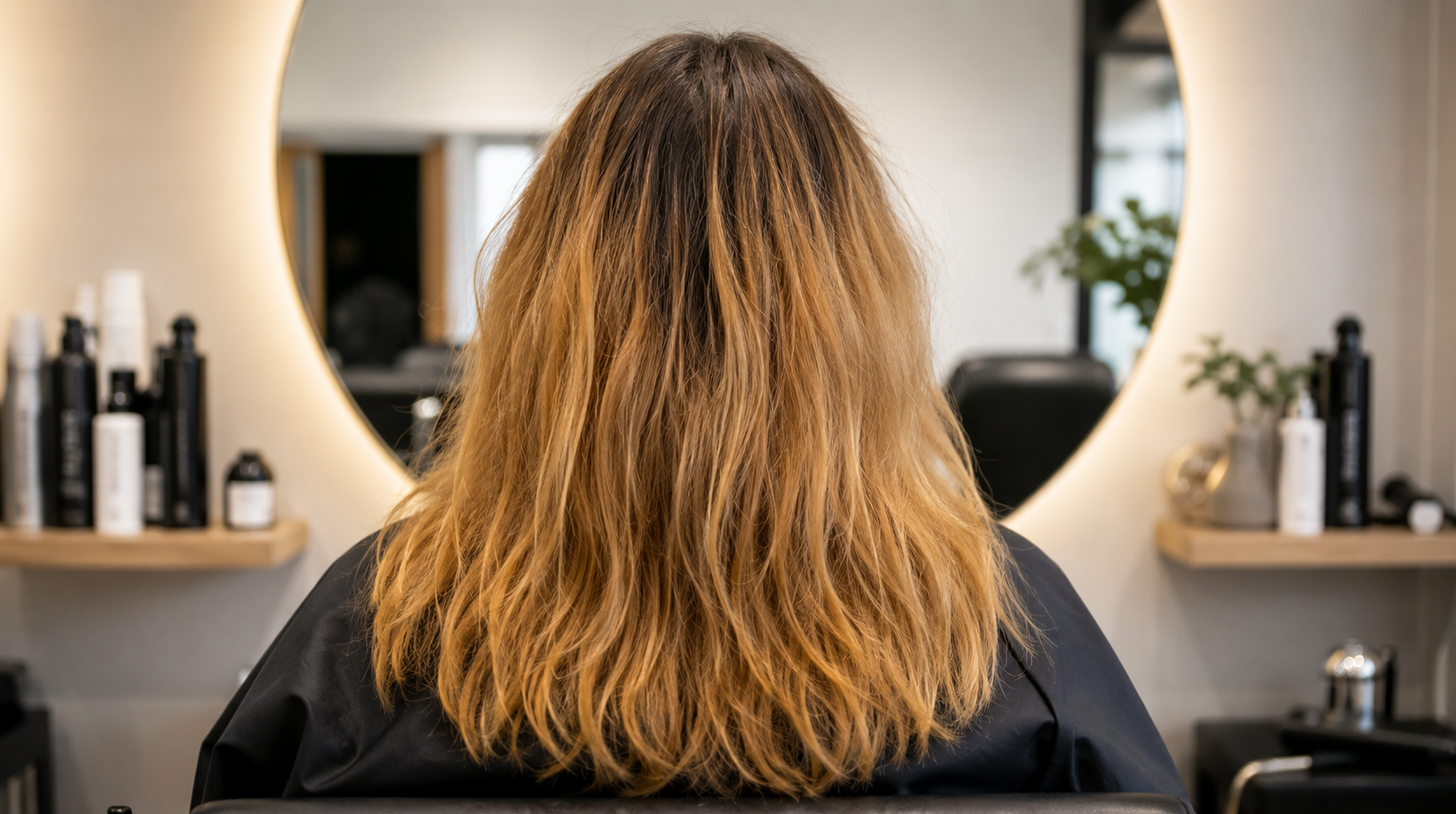
If your once-cool blonde or rich brunette has taken on an unwanted warm, orange or yellow tinge, you are dealing with brassy hair, and you are far from alone. Brassy hair is one of the most common colour frustrations we hear about, and it happens to almost everyone with lightened hair eventually. The good news is that it is both fixable and preventable once you understand why it happens. In this guide, a colourist at Hair Nova Angel explains what causes brassy hair, how to get rid of it at home, and how to keep your colour cool and fresh for longer.
What Causes Brassy Hair?
Brassy hair happens because of the natural pigment hiding underneath your colour. When hair is lightened, the bleach lifts your natural colour and exposes the warm undertones beneath, which are yellow in blondes and orange or red in darker hair. Your colourist then adds a toner to neutralise those warm tones and create your cool, even shade. Over time and with every wash, that toner gradually fades, and the warm underlying pigment starts to show through again. That resurfacing warmth is exactly what we call brass.
Why Does Colour Turn Warm Over Time?
Several everyday factors speed up how quickly your colour turns brassy. Sulphate shampoos strip the toner and colour molecules faster, hot water and heat styling open the cuticle and release tone, and UV rays from the sun break down the colour while adding warmth. Hard water is a big and often overlooked culprit too, as the minerals it leaves behind cause dullness and discolouration, and chlorine from swimming pools can turn blonde hair brassy or even green. The more of these your hair meets, the faster the brass returns.
How to Get Rid of Brassy Hair at Home
There are several effective ways to tackle brassy hair between salon visits. The most popular is a toning shampoo, which deposits a small amount of colour-correcting pigment every time you wash. For a bigger boost, a toning mask or a colour-depositing gloss adds more pigment and conditions at the same time. If your hair feels coated and dull from mineral build-up, a clarifying or chelating wash first can make a real difference. These home fixes are brilliant for maintenance, though they refresh rather than fully re-tone your colour.
Purple vs Blue Shampoo for Brassy Hair
Choosing the right toning shampoo comes down to the colour wheel, where opposite colours cancel each other out. If your brassy hair looks yellow, which is usual for blondes, a purple shampoo neutralises it, because purple sits opposite yellow. If your brassiness looks orange, which is common in brunettes and darker hair, a blue shampoo is the one you need, as blue sits opposite orange. Matching the product to the exact tone of your brass is the secret to a genuinely cool result rather than a muddy one.
How to Use Toning Shampoo Correctly
Toning shampoos are powerful, so using them correctly matters. Use them only once or twice a week rather than every wash, apply to wet hair and leave for the recommended time, usually around two to five minutes, then rinse with cool water and follow with conditioner. Do not be tempted to leave it on longer than directed, as overusing purple or blue shampoo can leave a dull, grey or even violet cast that is hard to shift. On the other days, stick to your regular colour-safe shampoo.