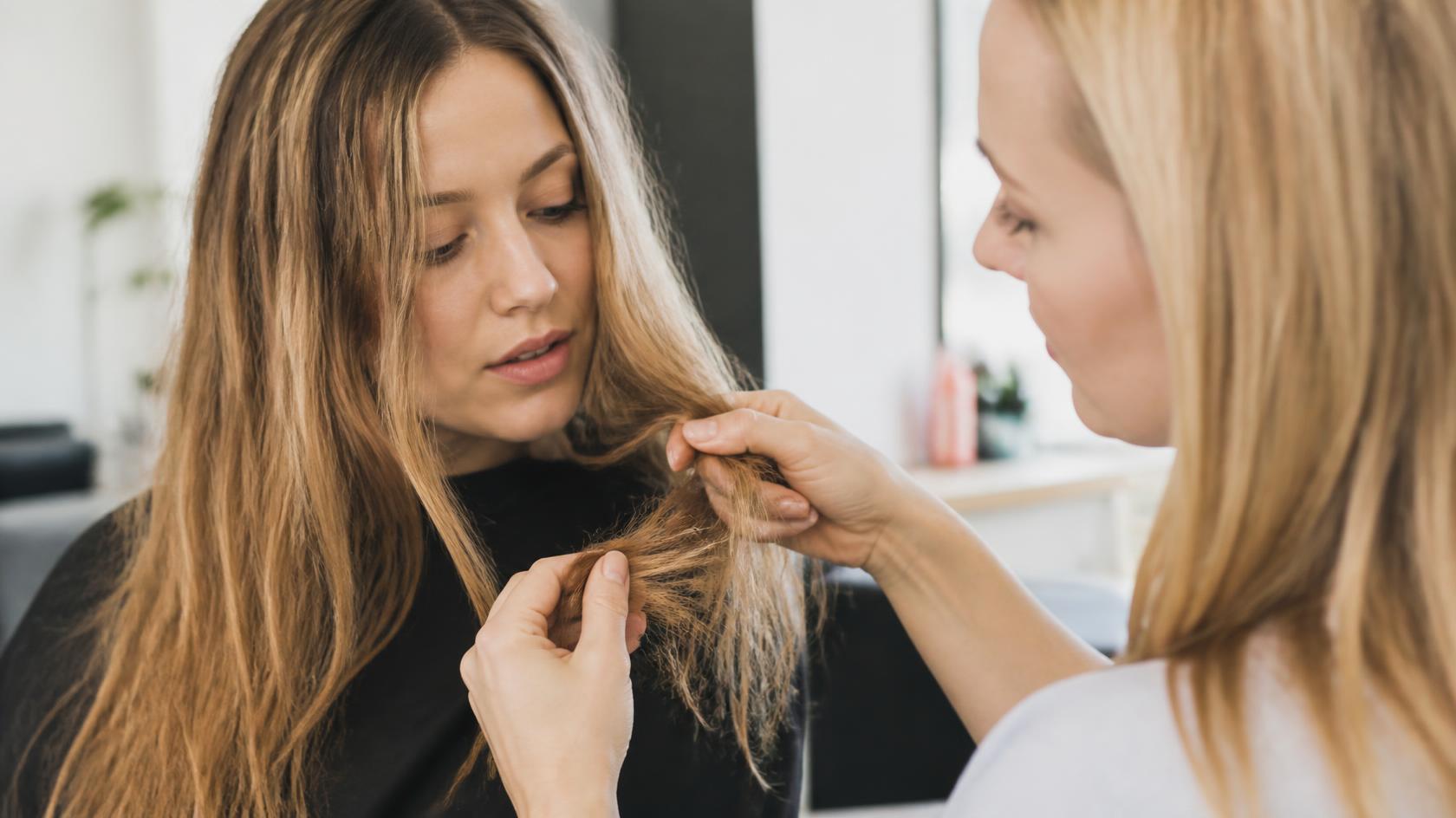
How to Stop Hair Breakage for Good

Hair breakage repair treatment at Hair Nova Angel Islington

Finding short, snapped strands on your brush, pillow or in the shower is one of the most common hair worries, and it is also one of the most fixable. Hair breakage happens when the strand itself snaps somewhere along the shaft rather than shedding naturally from the root, and while it is frustrating, the causes are almost always within your control. In this guide, a stylist at Hair Nova Angel explains what causes hair breakage, how to tell if your hair is breaking rather than shedding, and the habits and treatments that stop it.

What Causes Hair Breakage?

Hair breakage is rarely caused by one thing alone. The most common culprits are heat styling with hot tools on high settings, chemical processing such as colouring and bleaching, rough handling when the hair is wet and at its most fragile, tight hairstyles that put constant tension on the strands, sulphate shampoos that strip moisture, and going too long without a trim so split ends travel up and snap the hair higher. Dryness and a lack of protein and moisture are the underlying conditions that make all of these worse.

Hair Breakage vs Hair Shedding

It helps to know the difference, because the solutions are different. Shedding is normal hair reaching the end of its natural cycle and releasing from the root, complete with a small white bulb at the end. Breakage produces short, uneven strands with no bulb, because the hair has snapped mid-shaft. If the strands you are finding are all roughly the same short length and have no bulb, breakage is the issue, not shedding.

How to Stop Hair Breakage at Home

The good news is that most hair breakage responds quickly to a few consistent changes:

  • Switch to a sulphate-free shampoo and condition every time you wash, focusing conditioner on the mid-lengths and ends.
  • Always apply a heat protectant before any hot tool and turn the temperature down to a moderate setting.
  • Detangle gently with a wide-tooth comb or soft brush, starting from the ends and working upwards.
  • Swap rough cotton pillowcases and towels for silk or microfiber to reduce friction.
  • Avoid tight ponytails, braids and buns pulled so tightly they create tension at the root.
  • Book a trim every six to eight weeks to remove split ends before they travel up the strand.

The Role of Moisture in Preventing Breakage

Dry hair is brittle hair, and brittle hair breaks. Keeping your hair well hydrated is the foundation of preventing breakage, which means a hydrating shampoo and conditioner, a weekly deep-conditioning or bond-repair mask, and a lightweight leave-in for daily moisture. Avoid overwashing, which strips your natural oils, and seal your ends with a small amount of oil to lock moisture in and keep them smooth.

Can Nutrition Cause Hair Breakage?

Yes, what you eat shows up in your hair. Deficiencies in protein, iron, zinc, biotin and vitamin D all reduce hair strength and resilience, making strands more prone to snapping. If your breakage is severe or sudden and does not improve with better hair care, it is worth checking in with your GP, as nutritional deficiencies and thyroid issues are common and very treatable underlying causes.

Salon Treatments That Repair Breakage

When breakage is caused by damage from colouring or heat, professional bond-repair and deep-conditioning treatments rebuild strength from the inside out, far more effectively than home products alone. A stylist can also assess where your breakage is worst and recommend the right trim and treatment plan. Explore our hair colour in Islington services if chemical damage is a factor, and we will advise on the best approach.

Does Hair Type Affect Breakage?

Yes, some hair types are more prone to breakage than others, which is useful to know so you can tailor your routine. Fine hair has a thinner shaft and less structural strength, so it snaps more easily under heat and tension. Curly and coily hair is naturally drier because oils struggle to travel down the curl, making it more brittle if moisture levels drop. Chemically processed or coloured hair is more porous and fragile than virgin hair. None of these mean breakage is inevitable; they just mean these hair types need a little extra care, gentler handling and more consistent moisture than straighter, thicker hair.

When to See a Stylist About Hair Breakage

If you have made changes to your routine and your hair is still breaking heavily, or if you notice your hair feels significantly thinner or shorter despite growing, it is worth booking in. A stylist can spot whether breakage is coming from the ends, the mid-shaft or near the roots, which points to different causes and different solutions. Early action always saves more length in the long run.

FAQ

Heat styling, chemical processing, tight hairstyles, rough handling, sulphate shampoos, dryness, and going too long without a trim are the most common causes.

Breakage produces short strands with no white bulb at the root. Natural shedding produces full-length strands with a small white bulb. If you see lots of short snapped pieces, that is breakage.

Use sulphate-free products, apply heat protectant, detangle gently from the ends up, sleep on silk, avoid tight styles, add a weekly conditioning mask, and trim every six to eight weeks.

Yes. Once you address the cause and improve your hair care routine, new growth comes in healthy and the breakage slows. Existing broken strands cannot be repaired, but they can be trimmed off.