
What Is Balayage and Is It Right for Your Hair?
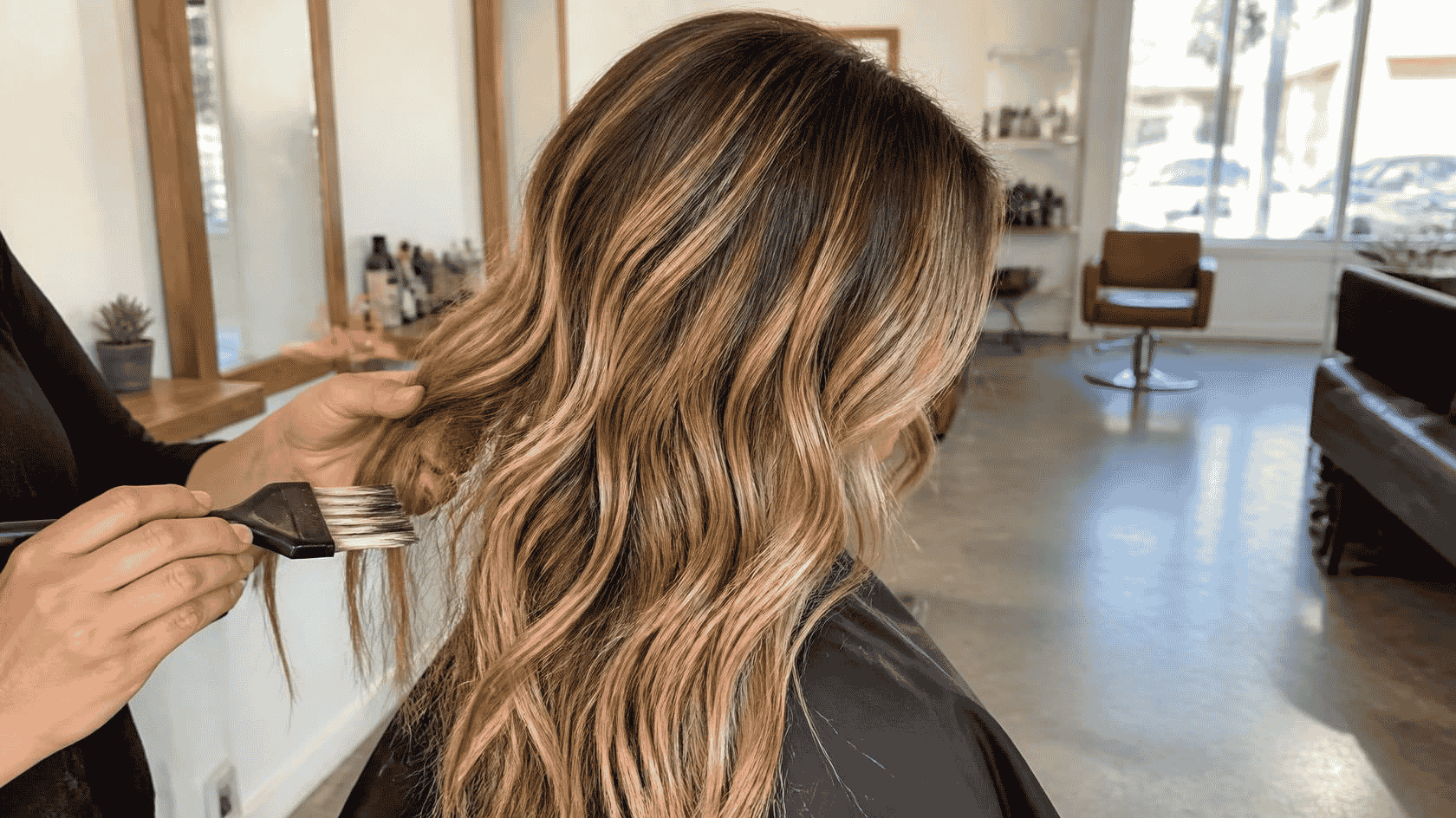
Balayage is one of the most requested hair colour techniques in UK salons, and if you have ever watched a stylist paint colour directly onto the hair with a brush rather than pulling it through a cap or wrapping it in foil, you have already seen balayage in action. What is balayage, exactly – and is it the right choice for your hair type, your lifestyle and the result you actually want? At Hair Nova Angel, our colour team carries out balayage appointments every week for clients ranging from total beginners to those who have been having it done for years and want a fresh approach. This guide covers everything you need to know before you book.
What Is Balayage?
Balayage is a French word meaning to sweep, and the name describes the technique precisely. A colourist uses a brush to paint lightener freehand directly onto sections of the hair, concentrating colour on the mid-lengths and ends where natural light would hit the hair. The result is a soft, graduated blend that looks like your hair has lightened naturally over time – sun-kissed rather than salon-obvious. Because the colour is applied by hand rather than in uniform foil sections, every balayage result is slightly different and adapted to the individual client, their face shape, their natural base colour and the look they want to achieve. No two balayage results are identical, which is part of why the technique has remained consistently popular for over a decade.
How Is Balayage Different from Highlights?
Traditional foil highlights are applied in precise, uniform sections from root to tip, with each section wrapped in foil to develop the colour. This produces a consistent, all-over brightness that looks polished and defined. Regrowth becomes visible at the root line within six to eight weeks and most clients return to the salon on a similar schedule. Balayage works differently – colour is applied away from the root and concentrated toward the ends, so regrowth grows in naturally without creating a hard line at the scalp. Most balayage clients return every twelve to sixteen weeks, and some stretch even further, which makes it significantly lower maintenance. The choice between the two depends on the look you want: foil highlights for maximum root-to-tip brightness, balayage for a softer, more natural effect with less upkeep.
How Is Balayage Different from Ombre?
Ombre and balayage are both colour techniques that move from darker at the root to lighter toward the ends, but the effect they create is quite different. Ombre produces a more dramatic, horizontal gradient with a clear transition point – distinctly dark roots blending into distinctly light ends. The effect is bolder and higher-contrast. Balayage creates a subtler, more diffused result where lighter pieces are woven throughout the hair at different depths and angles, producing a multi-tonal effect rather than a single gradient. Balayage tends to look more natural and wearable for everyday life, while ombre makes a stronger visual statement. Many clients who want the depth of ombre but the subtlety of balayage opt for a technique that combines both, which your colourist can advise on during consultation.
Can Balayage Be Done on Dark Hair?
Yes – balayage on dark hair is one of the most requested colour appointments we take at Hair Nova Angel. On a dark base, balayage creates warmth and dimension rather than an all-over lightening effect. The lightener lifts targeted sections to caramel, copper, honey or golden blonde shades depending on your natural base and the result you want. Very dark hair – level 1 to 3 – may require more than one session to reach a lighter blonde result safely. Attempting to lift very dark hair too far in a single appointment risks damaging the hair structure, so your colourist will advise on a staged approach if needed. Many clients with dark hair find balayage suits them better than traditional highlights precisely because the contrast looks deliberate and grows out beautifully rather than appearing neglected.
Does Balayage Damage Hair?
Balayage uses a lightening product, so some degree of chemical lifting is involved – but the technique is considered one of the gentler colour methods for two clear reasons. First, lightener is applied away from the scalp, so the root area and scalp skin are not repeatedly exposed to chemicals at every appointment. Second, only selected sections of hair are lightened rather than the entire head, leaving much of the hair unprocessed at each visit. Adding a bonding treatment such as Olaplex to your balayage appointment protects the hair structure during the lightening process and significantly reduces breakage. With proper aftercare at home – colour-safe products, regular conditioning, heat protectant – balayaged hair can remain healthy and in good condition between appointments even with regular colour sessions.
How Long Does Balayage Last?
Because balayage starts away from the root, regrowth grows in naturally without creating a hard regrowth line at the scalp. Most clients find their colour still looks intentional and wearable at twelve to sixteen weeks, which is the biggest practical advantage of the technique over foil highlights. The colour itself does not disappear – it fades gradually over time, with blonde tones sometimes developing a warm or brassy cast as they age. A toning service at your next appointment refreshes the colour and neutralises any unwanted warmth. A full reapplication every six to twelve months, depending on how fast your hair grows and how significant a lift you want, keeps the look maintained. The low-maintenance nature of balayage is often the deciding factor for clients who want great colour without frequent salon visits.
Who Is Balayage Best For?
Balayage suits almost all hair types and lengths, but it is particularly well matched to a few client profiles. Clients who want a natural result – hair that looks like it has lightened in the sun rather than been coloured in a salon – consistently find balayage delivers better than any other technique. Clients who travel frequently, have demanding schedules or simply dislike regular appointments benefit from the long time between touch-ups. Clients who want to grow out their colour gradually find that balayage transitions seamlessly as it grows. It works on straight, wavy and curly hair. Shorter hair benefits when the colourist adapts the technique to the length, while medium to long hair gives the graduated colour more room to develop and look its best.
How to Look After Balayage Hair at Home
Colour-safe, sulphate-free shampoo and conditioner are the foundation of good balayage aftercare. Sulphates strip colour faster, so switching to a gentle formula extends the life of your result. Purple or violet shampoo used once a week manages brassiness and keeps blonde tones cool and fresh – use it in place of your regular shampoo rather than in addition, as overuse can cause a grey or lavender cast. Always apply heat protectant before blow-drying or using straighteners and curling irons, as heat causes colour to fade faster. A deep conditioning mask once a week keeps lightened sections hydrated and reduces breakage at the ends. Avoid swimming in chlorinated pools without protecting the hair first, and limit prolonged sun exposure on days when the hair is down, as UV light fades colour over time.
What Happens at a Balayage Appointment?
Every balayage appointment at Hair Nova Angel begins with a consultation. Your colourist looks at your natural base colour, assesses the condition of your hair, discusses the result you want to achieve and identifies any previous colour history that may affect the process. The colourist then sections the hair and begins painting the lightener freehand with a brush and board technique, building the colour placement section by section. Processing time varies depending on how light you want to go and the starting base. Once the lightener has developed, it is thoroughly rinsed, a toner is applied to achieve the exact shade, and the hair is conditioned and finished. Full balayage appointments typically take two to four hours depending on hair length and density. We always recommend booking a longer slot for your first balayage appointment.
How Much Does Balayage Cost?
Balayage cost in a London salon varies depending on hair length, the density of colour placement, the complexity of the result and whether a toner and bonding treatment are included. Because balayage requires skilled freehand painting and a longer appointment time than a standard colour service, it is priced accordingly. At Hair Nova Angel, your colourist will give you a clear cost at your consultation based on your specific hair and the result you want. Many clients find that the higher upfront cost is offset by the lower frequency of appointments – returning every twelve to sixteen weeks rather than every six to eight weeks works out comparable or cheaper over a full year than maintaining traditional foil highlights.
Book Your Balayage Appointment at Hair Nova Angel
Our colour team at Hair Nova Angel works with all hair types, base colours and lifestyle needs. If you are ready to try balayage or want to talk through which colour technique is right for you, visit our hair colour services in Islington page or book online through Fresha. You can also call us on 020 7993 5484 or message us on WhatsApp. We are two minutes from King’s Cross Station.
FAQ
Highlights use foil to lift colour from root to tip in uniform sections, producing bright, consistent results that need touching up every six to eight weeks. Balayage is painted freehand from mid-length to ends, creating a softer, more natural result that grows out without a hard regrowth line, with most clients returning every twelve to sixteen weeks.
A full balayage appointment typically takes two to four hours depending on your hair length, density and how light you want to go. The process includes consultation, colour application, processing time, toning and a finish. We recommend booking a longer slot for your first appointment.
Yes. Balayage on dark hair creates warmth and dimension, lifting sections to caramel, honey or blonde depending on your base and the result you want. Very dark hair may need more than one session to reach a lighter result safely. Your colourist will advise on the right approach at consultation.
Most balayage clients return every twelve to sixteen weeks for a toner refresh and sometimes a partial reapplication. Because colour starts away from the root, regrowth grows in naturally. A full reapplication is typically needed every six to twelve months depending on how fast your hair grows and how much contrast you want.