
How to Get Rid of Brassy Hair and Keep It Away
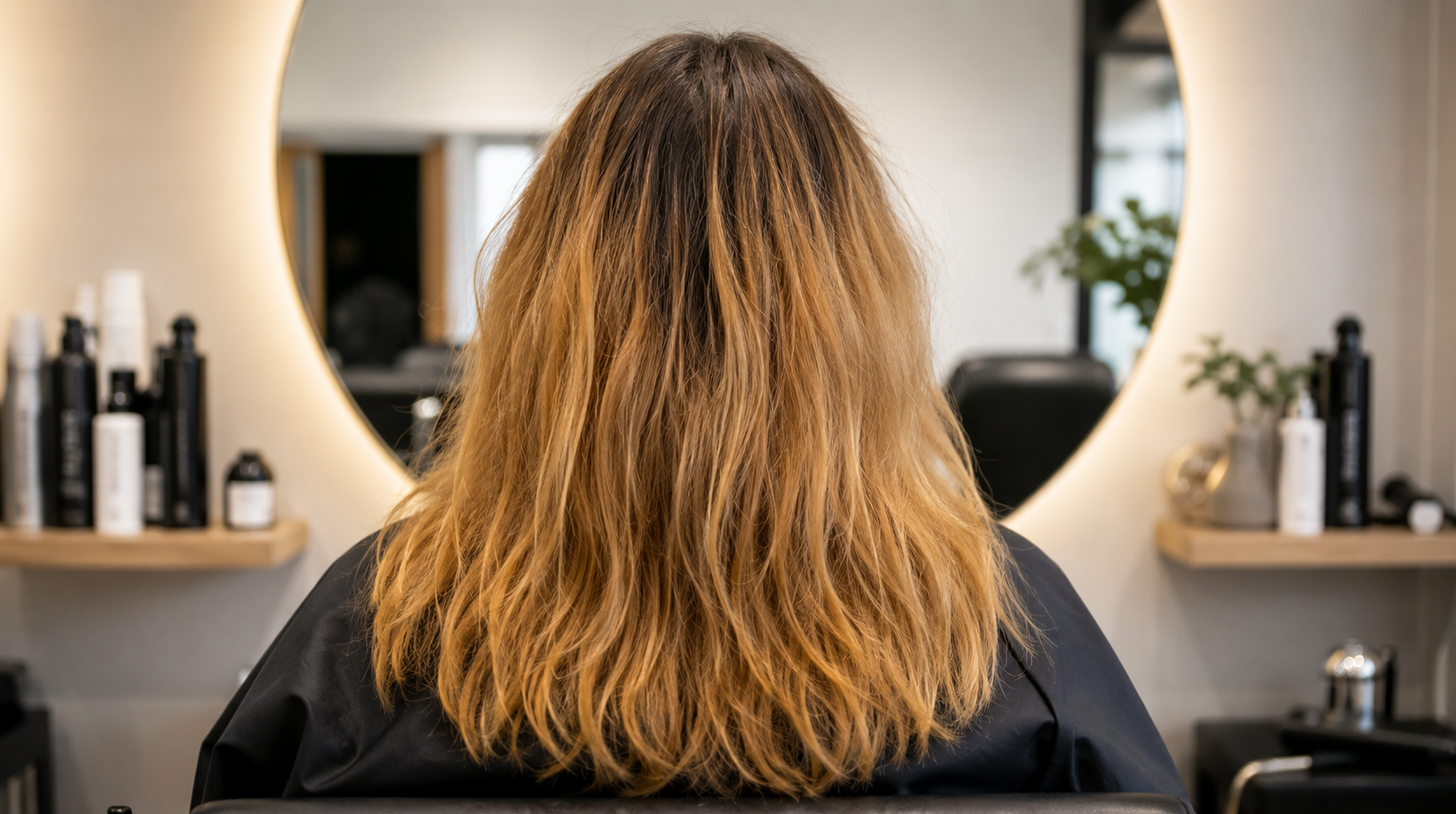
Cool toned blonde hair after fixing brassy hair at Hair Nova Angel

If your once-cool blonde or rich brunette has taken on an unwanted warm, orange or yellow tinge, you are dealing with brassy hair, and you are far from alone. Brassy hair is one of the most common colour frustrations we hear about, and it happens to almost everyone with lightened hair eventually. The good news is that it is both fixable and preventable once you understand why it happens. In this guide, a colourist at Hair Nova Angel explains what causes brassy hair, how to get rid of it at home, and how to keep your colour cool and fresh for longer.

What Causes Brassy Hair?

Brassy hair happens because of the natural pigment hiding underneath your colour. When hair is lightened, the bleach lifts your natural colour and exposes the warm undertones beneath, which are yellow in blondes and orange or red in darker hair. Your colourist then adds a toner to neutralise those warm tones and create your cool, even shade. Over time and with every wash, that toner gradually fades, and the warm underlying pigment starts to show through again. That resurfacing warmth is exactly what we call brass.

Why Does Colour Turn Warm Over Time?

Several everyday factors speed up how quickly your colour turns brassy. Sulphate shampoos strip the toner and colour molecules faster, hot water and heat styling open the cuticle and release tone, and UV rays from the sun break down the colour while adding warmth. Hard water is a big and often overlooked culprit too, as the minerals it leaves behind cause dullness and discolouration, and chlorine from swimming pools can turn blonde hair brassy or even green. The more of these your hair meets, the faster the brass returns.

How to Get Rid of Brassy Hair at Home

There are several effective ways to tackle brassy hair between salon visits. The most popular is a toning shampoo, which deposits a small amount of colour-correcting pigment every time you wash. For a bigger boost, a toning mask or a colour-depositing gloss adds more pigment and conditions at the same time. If your hair feels coated and dull from mineral build-up, a clarifying or chelating wash first can make a real difference. These home fixes are brilliant for maintenance, though they refresh rather than fully re-tone your colour.

Purple vs Blue Shampoo for Brassy Hair

Choosing the right toning shampoo comes down to the colour wheel, where opposite colours cancel each other out. If your brassy hair looks yellow, which is usual for blondes, a purple shampoo neutralises it, because purple sits opposite yellow. If your brassiness looks orange, which is common in brunettes and darker hair, a blue shampoo is the one you need, as blue sits opposite orange. Matching the product to the exact tone of your brass is the secret to a genuinely cool result rather than a muddy one.

How to Use Toning Shampoo Correctly

Toning shampoos are powerful, so using them correctly matters. Use them only once or twice a week rather than every wash, apply to wet hair and leave for the recommended time, usually around two to five minutes, then rinse with cool water and follow with conditioner. Do not be tempted to leave it on longer than directed, as overusing purple or blue shampoo can leave a dull, grey or even violet cast that is hard to shift. On the other days, stick to your regular colour-safe shampoo.

How to Prevent Brassy Hair

Preventing brass is far easier than correcting it, and a few habits keep your colour cool for much longer:

  • Switch to a sulphate-free, colour-safe shampoo and conditioner, as sulphates strip toner fastest.
  • Wash less often and with cooler water to slow down fading.
  • Use a toning shampoo or mask once or twice a week to top up the pigment.
  • Protect your hair from the sun with a hat or a UV-protective spray.
  • Rinse your hair and apply a leave-in before swimming to guard against chlorine.
  • If you have hard water, use a weekly clarifying or chelating treatment to remove mineral build-up.

Brassy Hair on Brunettes vs Blondes

Brassy hair is not only a blonde problem, though blondes notice it most. In lightened blonde hair the brass shows up as yellow or gold, which is why purple products are the fix. In brunette or dark hair that has been coloured or highlighted, the underlying warmth is orange or red, so the brass reads as a coppery, orange tone and needs a blue product instead. Even naturally dark hair lightened just a couple of shades can go brassy, so the same rules apply whatever your base colour; you simply match the toning product to the tone you are fighting.

Does Hard Water Cause Brassy Hair?

Yes, hard water is one of the most underestimated causes of brassy hair. Water that is high in minerals like calcium and iron leaves a film on the hair that dulls colour and pulls it warm and orange over time, and it also stops your products working as well as they should. If you live in a hard-water area and your colour keeps going brassy quickly no matter what you do, this is very often the hidden reason. A weekly clarifying or chelating treatment, or a shower filter, can make a genuinely noticeable difference.

How Long Before Brassy Hair Comes Back?

It varies from person to person, but most people start to notice brassy hair creeping back around four to eight weeks after their colour, depending on how often they wash, the products they use, and their exposure to sun and hard water. Home toning shampoos and masks help stretch that window, while a professional toner or gloss resets it completely. Building good habits, washing less, using colour-safe products and topping up with a toner, is what keeps the gap between brassy phases as long as possible.

Professional Fixes That Last

When brass is stubborn, uneven, or you simply want that just-left-the-salon finish, a professional toner or gloss is the most effective fix. Applied by a colourist, a toner precisely neutralises your exact undertones, while a glaze or gloss locks in the tone and adds serious shine. Booked every six to eight weeks alongside your colour, it keeps brassiness away far better than home products alone. Explore our hair colour in Islington services and we will keep your shade beautifully cool.

Professional Fixes That Last

When brass is stubborn, uneven, or you simply want that just-left-the-salon finish, a professional toner or gloss is the most effective fix. Applied by a colourist, a toner precisely neutralises your exact undertones, while a glaze or gloss locks in the tone and adds serious shine. Booked every six to eight weeks alongside your colour, it keeps brassiness away far better than home products alone. Explore our hair colour in Islington services and we will keep your shade beautifully cool.

When to See a Colourist

Home toning is great for maintenance, but some situations really need a professional. If your hair has turned very orange, the brassiness is patchy or uneven, purple and blue shampoos are not shifting it, or you want to correct a home-colour mishap, it is time to book in. Trying to fix serious brass yourself, especially with box dye, often makes it worse and harder to correct. A colourist can assess your hair and re-tone it safely to the shade you actually wan

Book Your Colour Appointment at Hair Nova Angel

Ready to banish the brass for good? Book online on Fresha, call 020 7993 5484, or message us on WhatsApp. We are two minutes from King’s Cross Station, open Tuesday to Saturday, and happy to keep your colour cool, fresh and glossy.

FAQ

Lightening exposes the warm pigment beneath your colour. As the toner your colourist added fades with washing, those yellow or orange tones resurface, sped up by hard water, sun and sulphate shampoos.

Yes, for yellow brassiness in blonde hair, as purple neutralises yellow. For orange brassiness in brunette or darker hair, use a blue shampoo instead. Use once or twice a week.

Once or twice a week is plenty. Overusing purple or blue shampoo can leave a dull, grey or violet cast, so follow the timing on the bottle and rinse with cool water.

Use sulphate-free, colour-safe products, wash less in cooler water, protect against UV and chlorine, tackle hard-water build-up, and book a professional toner or gloss every six to eight weeks.