
How to Get Rid of Dandruff for Good
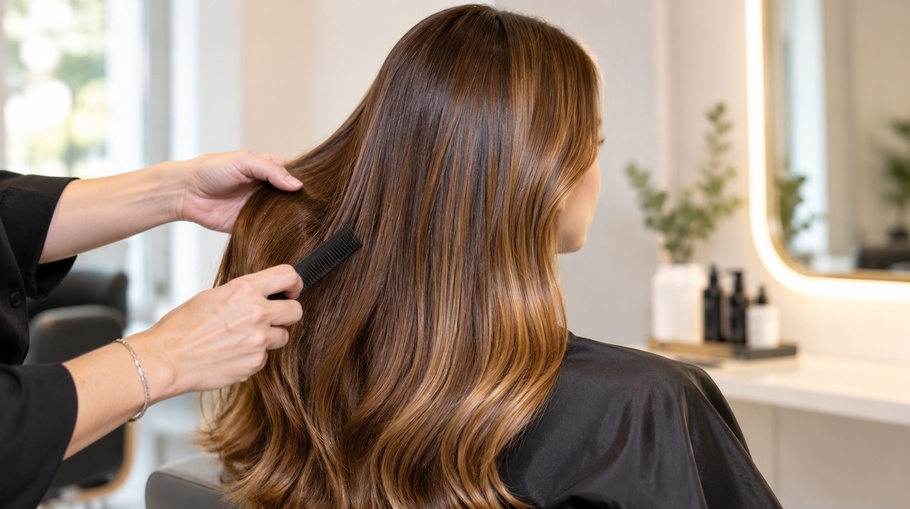
Dandruff affects a significant proportion of adults at some point, and it is one of those problems that feels embarrassing but is actually very common and almost always treatable. The key to getting rid of dandruff is understanding what is causing it, because not all flaky scalps have the same root cause. In this guide, a stylist at Hair Nova Angel explains what dandruff is, why it happens, and the most effective ways to treat it at home and in the salon.
What Is Dandruff?
Dandruff produces flakes of dead skin from the scalp, often accompanied by itching. It is caused by an overgrowth of a naturally occurring yeast-like fungus called Malassezia, which accelerates the skin cell turnover on the scalp, producing more dead skin cells than usual. These cells clump together and fall as the visible flakes we associate with dandruff. The condition is not contagious and is not a sign of poor hygiene, though certain habits can make it worse.
Dandruff vs Dry Scalp: What Is the Difference?
Dandruff and dry scalp are often confused but need different treatments. Dandruff is caused by excess oil and a fungal imbalance, producing oily, yellowish, larger flakes and a greasy scalp. Dry scalp is caused by a lack of moisture, producing smaller, white, powdery flakes on a tight, dry scalp. Using a medicated dandruff shampoo on a dry scalp can make things worse by stripping more moisture, so identifying which you have first is important.
The Best Shampoo for Dandruff
Anti-dandruff shampoos containing active ingredients are the most effective treatment. Look for zinc pyrithione, selenium sulphide, ketoconazole or coal tar as the active ingredient. Use consistently for at least four weeks before judging the result, as dandruff does not resolve overnight. If one active ingredient does not work after several weeks, try a different one, as different people respond to different formulas. Once the dandruff is under control, you can maintain with anti-dandruff shampoo once or twice a week alongside your regular routine.
Lifestyle Factors That Make Dandruff Worse
Several everyday habits aggravate dandruff. Stress is one of the most significant, as it disrupts the immune system and can trigger or worsen flare-ups. A diet high in sugar and processed foods feeds the Malassezia fungus. Infrequent washing allows oil and dead skin to accumulate. Certain styling products, particularly heavy waxes and oils applied to the scalp, can feed the fungus and worsen symptoms. Managing stress, eating a balanced diet and keeping the scalp clean all support dandruff treatment.
Can Hair Treatments Make Dandruff Worse?
Some salon treatments can temporarily aggravate a sensitive scalp, particularly colouring and bleaching, which involve chemicals applied close to the scalp. If you have active dandruff, it is worth letting your colourist know before your appointment. Many colour services can still proceed safely, and your stylist can advise on any adjustments to minimise irritation. A scalp that is inflamed from dandruff may be more sensitive during chemical services, so managing the condition before a big colour change is sensible.
Professional Scalp Treatments
If over-the-counter shampoos are not shifting your dandruff, or if your scalp is also red, inflamed or very itchy, a professional scalp treatment can help. We offer targeted scalp care as part of our hair treatment in Islington services. If your dandruff is severe or spreading, a GP or dermatologist can also prescribe stronger medicated treatments. Persistent dandruff alongside significant hair shedding is always worth a professional opinion.
Does Diet Affect Dandruff?
Research suggests that diet plays a role in dandruff for many people. A diet high in sugar, refined carbohydrates and processed foods feeds the Malassezia fungus that causes dandruff. Alcohol and dairy have also been linked to flare-ups in some people. Conversely, foods rich in zinc, B vitamins and omega-3 fatty acids support scalp health and may help keep dandruff under control. Staying well hydrated also supports skin cell turnover and overall scalp condition. Dietary changes alone rarely eliminate dandruff entirely, but they often reduce the frequency and severity of flare-ups.
Can Stress Cause Dandruff?
Yes. Stress is one of the most consistent dandruff triggers, and many people notice their dandruff worsens during particularly stressful periods at work or in their personal lives. Stress disrupts the immune system’s ability to regulate the Malassezia fungus, leading to increased skin cell turnover and more visible flaking. While managing stress will not cure dandruff on its own, combining stress management with a good anti-dandruff routine together produces better overall results than either approach alone, and for many people addressing both simultaneously is what finally brings a long-running dandruff problem under proper control.
When to See a GP About Dandruff
Most dandruff responds to over-the-counter shampoos within a few weeks. However, if your scalp is very red or inflamed, the flaking is severe, you are noticing significant hair shedding alongside the dandruff, or the condition does not improve after six to eight weeks of consistent treatment, see your GP. Scalp psoriasis, seborrheic dermatitis and fungal infections look similar to dandruff but need different treatments that a doctor can prescribe.
How to Prevent Dandruff Coming Back
Once you have your dandruff under control, the goal is keeping it that way. Using an anti-dandruff shampoo once or twice a week as a maintenance wash, even when the scalp looks clear, prevents the fungal overgrowth from returning. Managing stress, eating a balanced diet and avoiding product build-up with a regular clarifying wash all support long-term scalp balance. Most people find that dandruff is a manageable, recurring tendency rather than something that clears permanently, so building in a maintenance routine is more sustainable than treating it reactively each time it flares up.
Book Your Appointment at Hair Nova Angel
For a scalp assessment, treatment recommendation or just great hair care advice, book online on Fresha, call 020 7993 5484 or message us on WhatsApp. We are two minutes from King’s Cross Station.
FAQ
An overgrowth of a naturally occurring fungus called Malassezia accelerates skin cell turnover on the scalp, producing more dead skin than usual that clumps and falls as flakes.
Look for active ingredients such as zinc pyrithione, ketoconazole or selenium sulphide. Use consistently for at least four weeks. If one formula does not work, try a different active ingredient.
No. Dandruff produces oily, larger yellowish flakes from a fungal imbalance. Dry scalp produces smaller, white, powdery flakes from a lack of moisture. They need different treatments.
Dandruff itself does not cause hair loss, but severe inflammation and persistent scratching can weaken the hair. If you notice significant shedding alongside dandruff, see a GP.