
What Is a Soft Wolf Cut?

A soft wolf cut is one of the most in-demand haircuts in London right now — and for good reason. It combines the layered structure of a classic wolf cut with softer, blended ends, giving you volume, movement, and a lived-in finish that works on almost every hair type. At Hair Nova Angel, our stylists have seen demand for this effortless look grow steadily throughout 2026 as clients look for a cut that is both low-maintenance and full of personality.
What Makes a Soft Wolf Cut “Soft”?
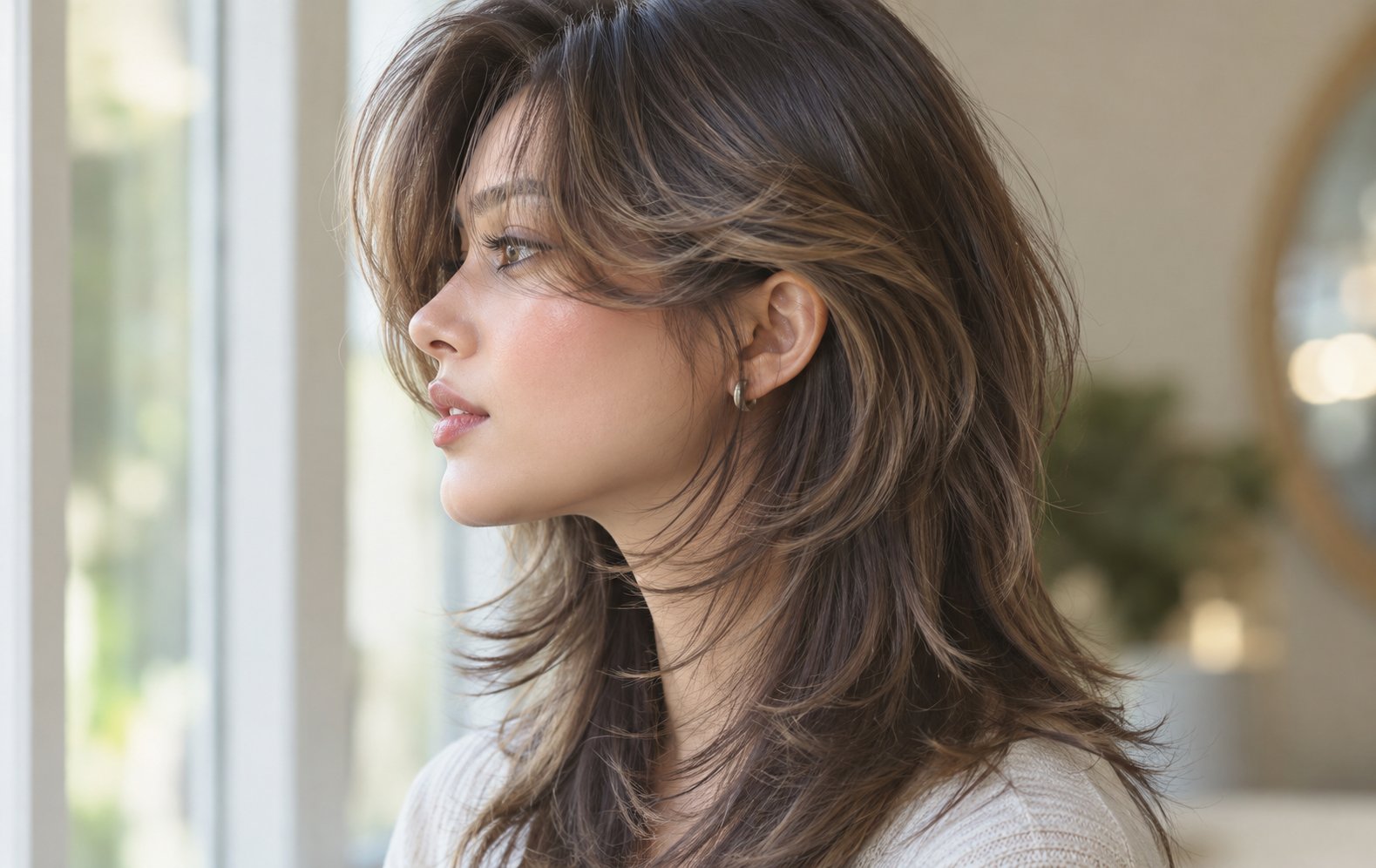
The original wolf cut is built on strong contrast — heavy crown layers that drop sharply into wispy, curtain-like ends. The soft wolf cut keeps the same core structure but blends those transitions at every stage. Instead of harsh lines between sections, your stylist uses point-cutting or razor techniques to feather the layers so they fall seamlessly into one another. The result is a rounder, more polished silhouette — less rock-inspired, more effortlessly chic. The key difference is in the blending: everything is softer, more graduated, and more wearable for everyday life.
Is a Soft Wolf Cut Right for You?
This cut is versatile enough to work on a wide range of textures and lengths. It works especially well on medium to long hair lengths, fine or medium-density hair that needs more body, and oval, round, heart, and diamond face shapes. For thicker hair, the layers are tailored to remove internal weight and allow the shape to sit cleanly. Your stylist will always assess your hair and face shape during a consultation before committing to any specific approach, ensuring the result works with your natural texture rather than against it.
How Does a Soft Wolf Cut Differ from a Standard Wolf Cut?
The key is in the contrast. A standard wolf cut lives and dies by the bold divide between the crown layers and the ends — the heavier the contrast, the more dramatic the result. A soft wolf cut blurs that line at every stage: layers are longer and more graduated, transitions are blended using point-cutting or razor techniques, and the overall silhouette is rounder rather than angular. The NHS advises that regular hair and scalp care is important before any significant styling change, particularly one involving layering or thinning work close to the scalp.
Soft Wolf Cut for Fine Hair vs Thick Hair
Fine hair benefits most when the stylist keeps layers longer and avoids removing too much bulk — the goal is maximum movement with minimum weight loss. For thick hair, more internal thinning is used so the layers sit cleanly rather than expanding outward. The Hair Council advises always seeking a qualified professional for any layered or textured cut, particularly when significant weight removal is involved. A proper in-salon assessment ensures the approach is matched to your specific density and texture.
How to Style a Soft Wolf Cut at Home
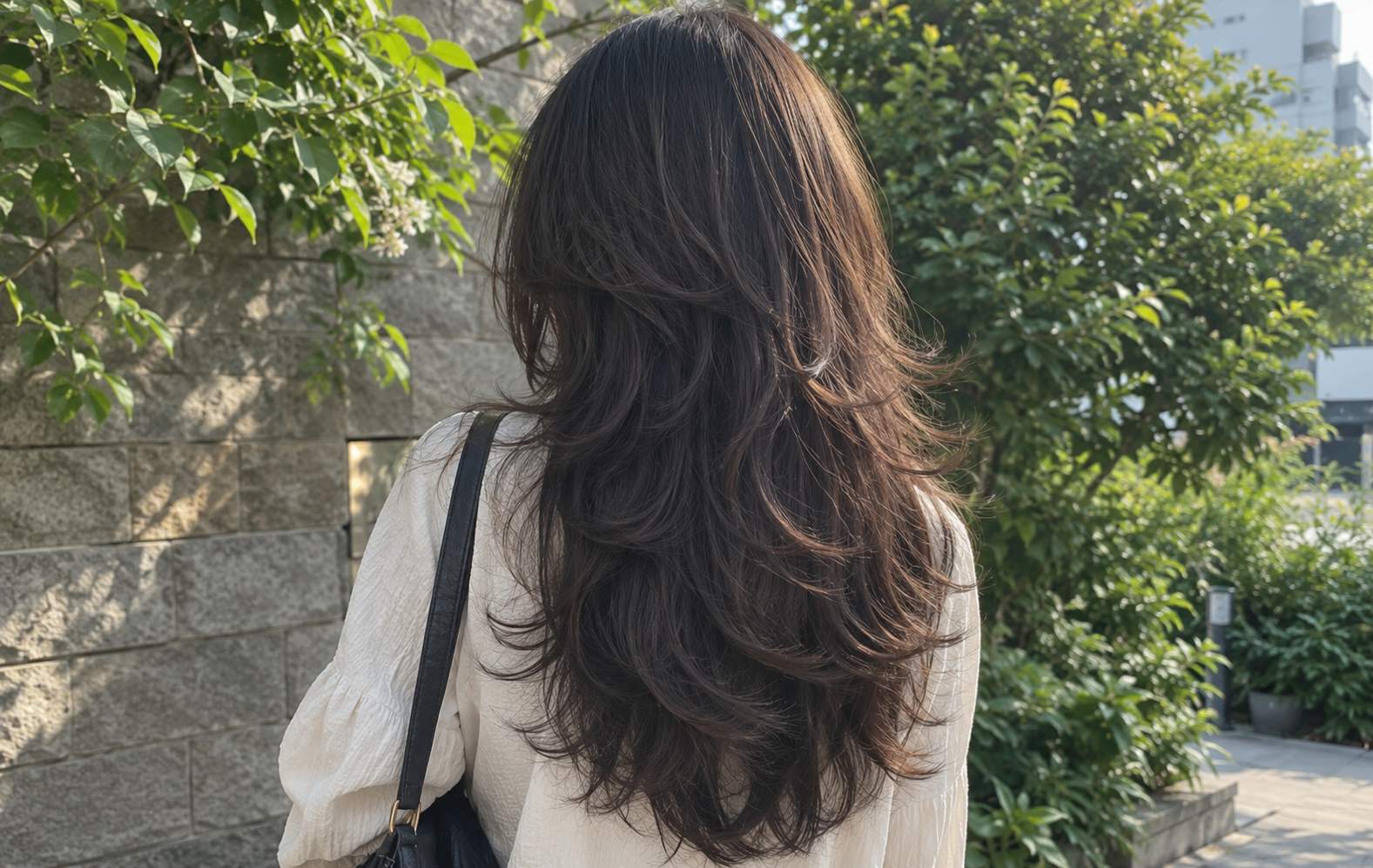
Styling is simple once you know the right technique. Apply a volumising mousse to damp hair from roots to ends. Rough-dry using your fingers, lifting the roots as you go to build height at the crown. Use a medium round brush through the mid-lengths for movement. Finish with a light texturising spray through the ends to piece out the layers and add definition. For straight hair, a soft bend at the ends using a large-barrel wand recreates that natural, undone finish without requiring effort every morning. Avoid heavy creams or serums at the root area, as these will weigh down the layers and flatten the volume.
How Often Should You Trim a Soft Wolf Cut?
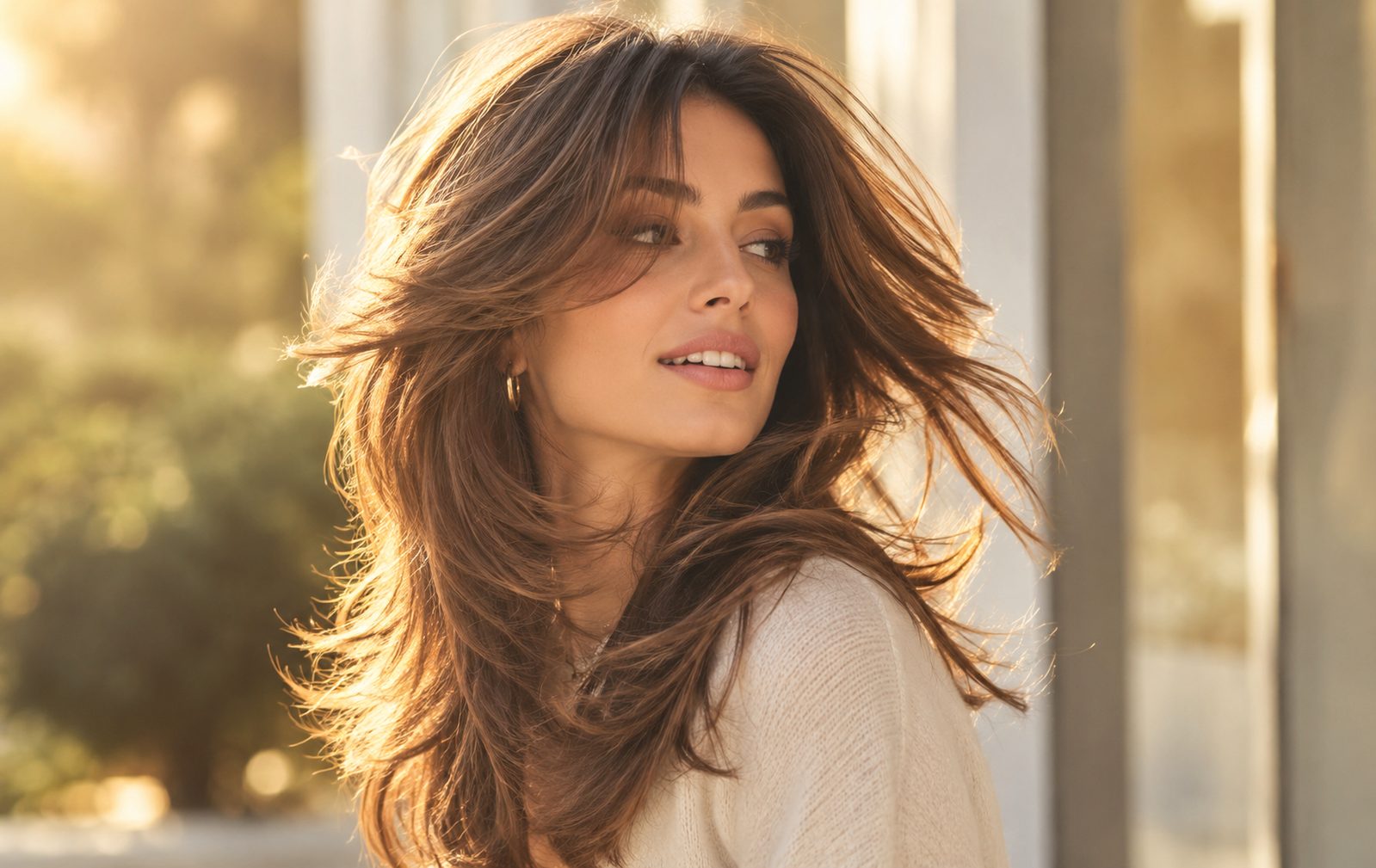
Most clients return every 8 to 10 weeks for a light trim to keep the shape sharp and maintain the volume. Because the layers are blended rather than blunt, the grow-out is gradual — there is no harsh line to reveal itself between appointments. A quick trim at each visit prevents split ends from travelling up the hair shaft and keeps the wispy ends looking intentional rather than damaged. If you are growing your hair out at the same time, your stylist can adjust each trim to retain as much length as possible while refreshing the layers. Consistent appointments are key to making the most of this cut.
Book Your Soft Wolf Cut at Hair Nova Angel
If you are looking for a soft wolf cut in Angel, London, our team delivers precision cutting tailored specifically to your hair type and face shape. We assess your natural texture, growth pattern, and lifestyle before starting — so the result works for you every day, not just when you leave the chair. Visit Hair Nova Angel to find out more about our cutting services and get in touch with our team to arrange your consultation.
Frequently Asked Questions
What is a soft wolf cut?
A soft wolf cut is a layered haircut that combines the volume and movement of a classic wolf cut with blended, feathered layers for a softer, more polished finish. It works on most hair types and lengths.
How is a soft wolf cut different from a wolf cut?
A standard wolf cut has strong contrast between crown layers and wispy ends. A soft wolf cut blends those transitions using point-cutting or razor techniques, creating a rounder and more wearable result.
Does a soft wolf cut work on fine hair?
Yes. For fine hair, the stylist keeps layers longer and avoids removing too much weight, creating maximum movement without sacrificing density. The cut is adjusted to add body rather than reduce it.
How often should I trim a soft wolf cut?
Most clients return every 8 to 10 weeks to refresh the layers and maintain the shape. The blended grow-out means there is no harsh line to deal with between trims.
Can I style a soft wolf cut at home?
Yes. A volumising mousse on damp hair, a rough-dry with your fingers, and a light texturising spray through the ends is all you need for the day-to-day look. The cut is designed to work with minimal effort.